
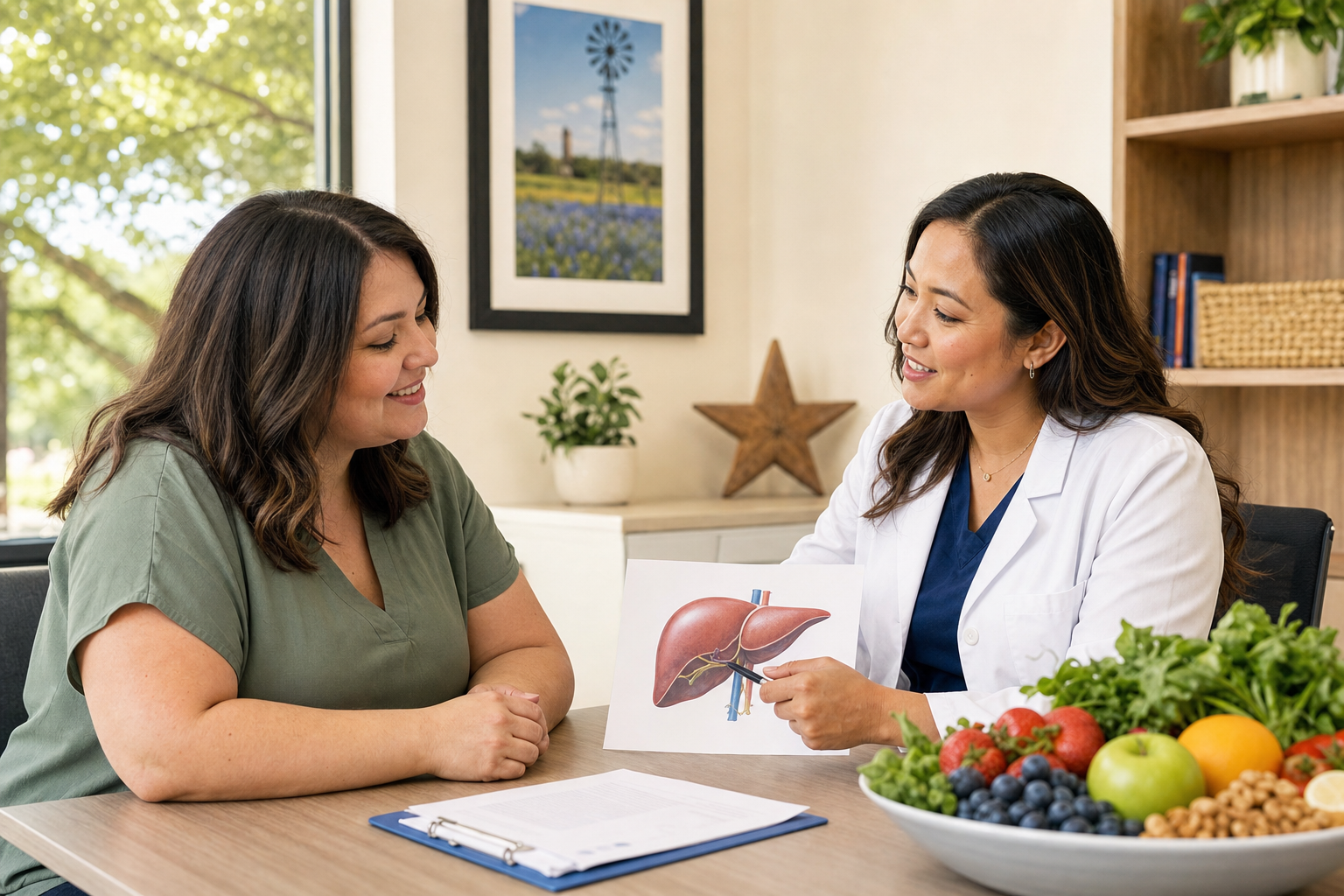
If you are asking can weight loss reverse fatty liver, the short answer is yes, gradual weight loss can improve fatty liver for many people. Reversal is not a promise, and it depends on the stage of disease, alcohol intake, insulin resistance, medications, genetics, and follow-up care. But for many patients, losing weight in a steady, medically guided way is one of the most important steps toward better liver health.
Fatty liver can feel confusing because it often has no symptoms at first. You may see it on an ultrasound report, lab work, or a note from your primary care doctor, then wonder whether weight loss will really change anything. The good news is that liver fat is often responsive to changes in nutrition, activity, and metabolic health. The safer path is to treat it as a health project, not a crash-diet emergency.
The direct answer: weight loss can improve fatty liver
Fatty liver means extra fat has built up in liver cells. In many people, it is tied to insulin resistance, weight gain around the middle, high triglycerides, sleep problems, and other metabolic risks. Losing weight can reduce the amount of fat stored in the liver and may improve liver enzyme numbers. In some cases, early fatty liver can improve enough that a clinician may describe it as reversed or resolved.
That does not mean every case reverses, or that the liver should be treated with a random detox plan. The liver is not asking for a cleanse. It is asking for less metabolic strain, better nutrition, regular movement, and follow-up with the clinician who knows your labs and imaging.
Our earlier guide on how weight loss affects non-alcoholic fatty liver disease explains the broader connection. This article focuses on what patients usually mean by reversal and what a practical next step can look like.
Does fatty liver cause weight loss?
Most people with fatty liver do not lose weight because of the condition itself. Fatty liver is more often found alongside weight gain, insulin resistance, or other metabolic changes. If you are losing weight without trying, do not assume fatty liver is the cause. Unexplained weight loss deserves medical evaluation, especially if it comes with pain, appetite changes, yellowing of the skin or eyes, dark urine, severe fatigue, or digestive symptoms.
This distinction matters because search results often mix cause questions with treatment questions. If your real question is whether weight loss can help fatty liver, the answer is often yes. If your question is why you are losing weight unexpectedly, that is a different medical conversation.
What reversal can actually mean
Reversal is not one single thing. For one patient, it may mean less fat seen on imaging. For another, it may mean improved liver enzymes. For someone else, the goal may be preventing progression, reducing inflammation, or improving blood sugar and cholesterol at the same time.
It is also possible for labs to look better before every risk is gone. That is why follow-up matters. Your clinician may use blood work, imaging, medication review, alcohol history, and metabolic markers to decide whether things are improving. A scale change can be encouraging, but liver health is bigger than weight alone.
How weight loss helps the liver
Gradual weight loss can help by lowering the flow of excess fatty acids to the liver, improving insulin sensitivity, reducing inflammation signals, and supporting healthier blood sugar and triglyceride patterns. That sounds technical, but the practical translation is simple: the liver often does better when the body has less metabolic overload to manage.
The most effective plan is usually not extreme. It is consistent. Meals become more balanced. Portions become more predictable. Protein and fiber go up. Sugary drinks and frequent alcohol go down if those are part of the pattern. Movement becomes regular enough to improve insulin sensitivity, not just burn calories for one hard week.
For patients with heart-risk factors too, the same habits often support cardiovascular health. Our article on weight loss and heart health explains why metabolic improvements often travel together.
Why rapid weight loss is not always better
It is tempting to respond to a fatty liver diagnosis with the strictest diet you can find. That can backfire. Rapid restriction may be hard to sustain, can worsen fatigue, and can leave you undernourished. Some people rebound into overeating because the plan is too punishing. Others cut food so sharply that they stop exercising, sleep poorly, or lose muscle.
A clinician may recommend a more structured plan for certain patients, but it should be monitored. For most people, gradual weight loss with a dietitian or medical team is safer than an unsupervised crash diet. The target should be enough change to help the liver while still giving your body what it needs to function.
Nutrition priorities for fatty liver and weight loss
There is no single fatty liver diet that works for every patient, but a few priorities show up again and again. The goal is to reduce liver strain while making meals satisfying enough to repeat.
- Protein at meals: Helps with fullness and protects lean tissue during weight loss.
- High-fiber carbohydrates: Beans, lentils, vegetables, fruit, oats, and whole grains can support blood sugar control.
- Unsaturated fats: Olive oil, nuts, seeds, avocado, and fatty fish may fit better than frequent fried foods.
- Less sugar-sweetened drinks: Liquid sugar is easy to overconsume and does not keep you full.
- Alcohol review: Alcohol can worsen liver stress for some people, so be honest with your clinician about intake.
None of this requires a perfect kitchen or a joyless menu. It requires a pattern that lowers the liver’s workload most days. A medically supervised weight loss plan can help you personalize the pattern around labs, medication, hunger, culture, and schedule.
Movement matters, even before the scale changes
Exercise helps the liver partly because it improves how your muscles use glucose and how your body handles insulin. You do not need to train like an athlete. Walking after meals, beginner strength training, cycling, swimming, or a simple gym routine can all help if they are consistent.
Strength training is especially useful because preserving muscle supports metabolism and blood sugar control. If you are tired, sore, or new to exercise, start small. Ten minutes after lunch or dinner may be more realistic than an hour-long workout you dread. The best plan is the one you can repeat while nutrition changes are also happening.
Medical follow-up is part of the plan
Fatty liver is connected to more than food. Sleep apnea, diabetes, thyroid issues, medications, alcohol use, high triglycerides, and family history can all matter. That is why it helps to work with a team that looks beyond calories.
During follow-up, your clinician may review liver enzymes, blood sugar markers, cholesterol, blood pressure, waist measurements, medication changes, and symptoms. If there are signs of advanced liver disease or another cause of liver problems, you may need referral to a specialist. That is not a failure of weight loss. It is responsible care.
When to seek care sooner
Do not wait for a routine appointment if you have yellowing of the skin or eyes, severe right-upper-abdominal pain, swelling in the belly or legs, confusion, vomiting blood, black stools, or sudden unexplained weight loss. Those symptoms need prompt medical attention.
For non-urgent fatty liver findings, schedule a visit to discuss what stage you may be in, what labs mean, and what plan is appropriate. Bring your imaging report, current medications, supplements, alcohol intake estimate, and a typical day of eating. The more honest the starting point, the better the plan.
Support for Texas patients
Vitality works with patients in person and virtually across Texas. For fatty liver concerns, that may mean building a plan that supports weight loss, blood sugar, heart health, and sustainable nutrition at the same time. It may also mean coordinating with your primary care doctor or specialist when needed.
If you have been told to lose weight for your liver but were not given a real plan, you are not alone. Many patients leave appointments with a goal but no roadmap. We can help turn that goal into meals, movement, follow-up, and adjustments that fit your actual life.
Ready to take fatty liver seriously without panic?
Weight loss can improve fatty liver for many people, but the best plan is steady, medically informed, and realistic. You do not need a detox. You do not need shame. You need a plan that supports liver health while protecting energy, muscle, and long-term consistency.
If your labs or imaging have you worried, schedule a conversation with our team. We can help you understand what comes next and how weight loss may fit into a safer liver-health plan.
Fatty liver and weight loss questions
These answers explain what improvement can mean, how weight loss may help, why unexplained weight loss needs evaluation, and when to bring fatty liver questions to a clinician.
Can weight loss reverse fatty liver?
Weight loss can improve fatty liver for many people, and early fatty liver may sometimes improve enough that a clinician describes it as reversed or resolved. The result depends on the stage of liver disease, insulin resistance, alcohol intake, medications, genetics, and follow-up care. A safer plan focuses on gradual fat loss, balanced nutrition, movement, and monitoring labs or imaging when appropriate. Do not rely on detoxes or extreme diets. Work with a clinician if you have abnormal liver tests or imaging findings.
How much weight do I need to lose to improve fatty liver?
The right goal depends on your starting point and medical history. Even modest weight loss can help some metabolic markers, while larger changes may be needed for bigger improvements in liver fat or inflammation. Your clinician can help set a target that fits your labs, imaging, medications, and safety risks. Avoid choosing an extreme number from the internet. A weight goal should be paired with a nutrition and follow-up plan so you know whether your liver markers are actually improving.
Does fatty liver cause weight loss?
Fatty liver usually does not cause unexplained weight loss. It is more commonly linked with weight gain, insulin resistance, high triglycerides, or other metabolic changes. If you are losing weight without trying, especially with pain, appetite changes, yellow skin or eyes, dark urine, severe fatigue, or digestive symptoms, contact a clinician. That symptom pattern needs evaluation rather than assuming fatty liver is the reason. Treatment-intent questions and unexplained-weight-loss questions are different medical conversations.
What diet is best for fatty liver and weight loss?
The best diet is one you can repeat while improving liver and metabolic health. Most patients benefit from meals built around protein, vegetables, high-fiber carbohydrates, unsaturated fats, and fewer sugary drinks. Alcohol intake should be discussed honestly with your clinician because it can add liver stress. You do not need a cleanse or a perfect meal plan. You need a pattern that lowers calorie excess, supports blood sugar, and gives your body enough nutrition during weight loss.
Can exercise help fatty liver even if I have not lost weight yet?
Exercise can support liver health even before major scale changes appear. Regular movement helps muscles use glucose, improves insulin sensitivity, and supports triglyceride and blood pressure patterns. Walking, cycling, swimming, and beginner strength training can all help if they are consistent. Start with small sessions if you are new to exercise or tired. Movement works best when paired with nutrition changes, sleep support, and medical follow-up rather than used as punishment for eating.
When should I see a doctor about fatty liver?
Schedule a medical visit if imaging or blood work shows fatty liver, liver enzymes are abnormal, or you have diabetes, high triglycerides, high blood pressure, or a family history of liver disease. Seek care sooner for yellow skin or eyes, severe right-upper-abdominal pain, belly or leg swelling, confusion, vomiting blood, black stools, or sudden unexplained weight loss. A clinician can check for other causes, assess risk, and help you decide whether weight loss, medication review, or specialist referral is needed.