
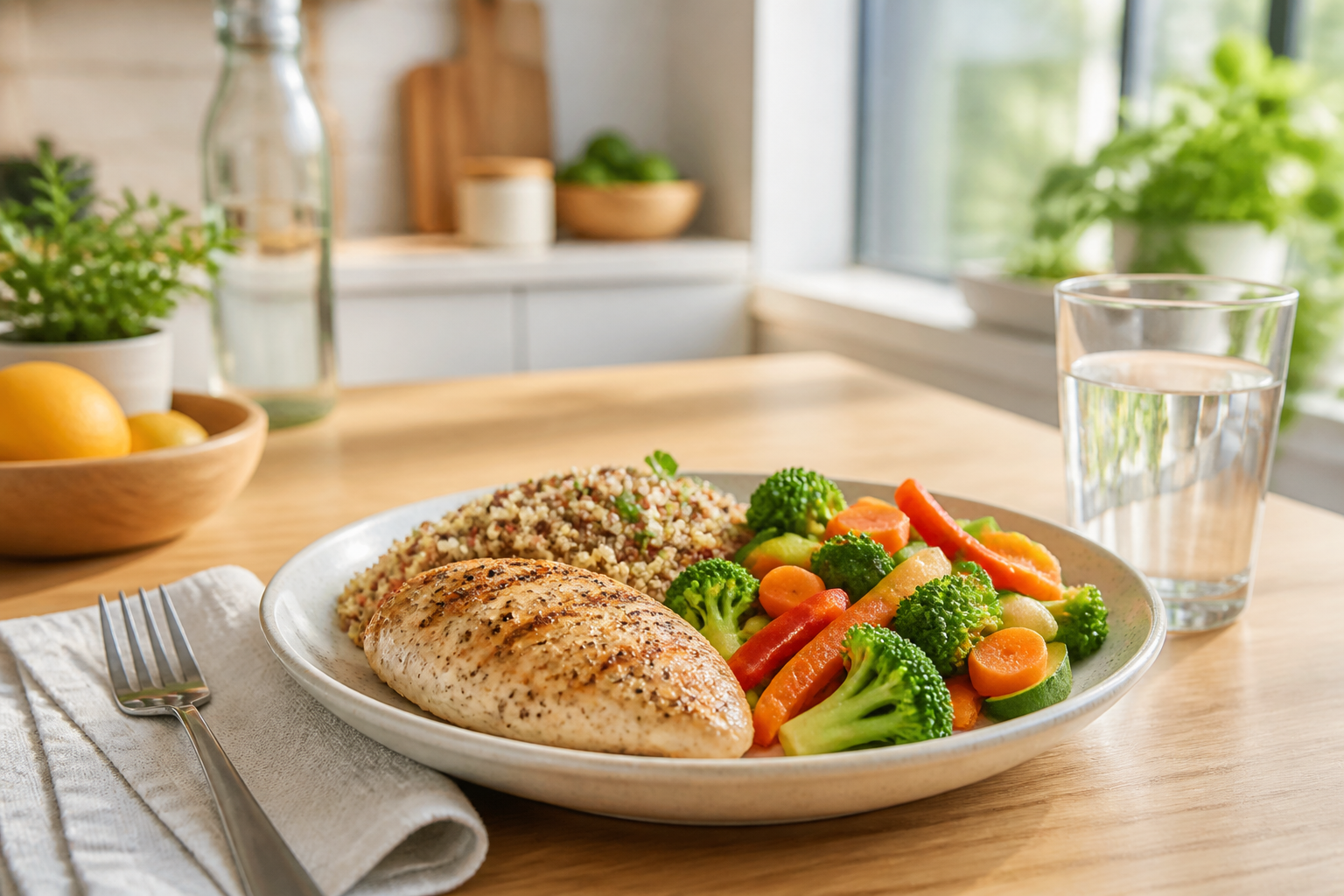
Yes, can you lose weight with diet alone is a fair question, and the honest answer is usually yes for weight on the scale, with important caveats. Food intake drives most of the calorie gap that produces fat loss. Exercise still matters for health, muscle, mood, and how the weight loss feels and holds.
People ask this after injuries, busy seasons, or frustration with workout plans that never stick. Others saw pages about exercise alone not being enough and want the flip side. This guide covers what diet-alone loss looks like, what you may lose besides fat, when to add movement, and how a supervised nutrition plan helps. Related reading includes losing weight without exercise and why exercise alone is not enough.
Why diet usually drives the scale
It is easier for most adults to create a meaningful calorie deficit by changing what and how much they eat than by trying to out-train a large intake. A long workout can be undone by a few unplanned snacks. That does not make exercise useless. It means food pattern is the main lever for weight change.
Public health guidance still pairs healthy eating patterns with regular activity for overall risk reduction. Weight is one outcome. Blood pressure, glucose, sleep, and strength are others. Diet alone can move weight while leaving those other goals unfinished.
What you might lose without training
- Fat mass, if the calorie gap is real and sustained
- Some muscle, especially with aggressive restriction and no resistance work
- Water weight early on, which can look dramatic then stall
- Energy and mood if protein, sleep, and micronutrients are ignored
Protecting muscle matters for metabolism and daily function. Even short strength sessions two days a week help many people keep more lean mass while dieting. Walking counts too when gyms feel impossible.
Who diet-alone approaches can fit
Diet-focused plans can fit people healing from injury, new to movement, managing joint pain, or rebuilding trust with food before layering workouts. They also fit travelers who can control meals better than gym access for a season.
They fit poorly when someone uses “diet alone” as permission for extreme restriction, diet pills without supervision, or ignoring medical conditions that need a care team. Educational content is not personal medical advice. Bring your history to a clinician when weight, diabetes, heart disease, or eating-disorder risk are in play.
Building a diet-first plan that is still sane
- Prioritize protein and fiber at meals so hunger is manageable
- Keep a regular eating rhythm instead of chaotic all-day grazing
- Shrink portions of calorie-dense extras before cutting entire food groups forever
- Drink water consistently; thirst sometimes masquerades as hunger
- Sleep enough that late-night cravings are not running the show
Nutritional counseling helps turn those ideas into a plan that matches your culture, schedule, and medical needs rather than a generic template.
When to add movement anyway
Add movement when energy allows, when strength is dropping, when mood sinks, or when your clinician recommends it for heart and metabolic health. Start with walking after meals. Progress to simple strength if joints allow. The goal is support for the diet phase, not punishment for eating.
If you already like training, keep a sustainable version while you tighten nutrition. Cutting both food and every workout at once often backfires.
Plateaus on diet alone
Weight loss slows as the body adapts and as early water shifts settle. That does not always mean the plan failed. Review logging accuracy, liquid calories, sleep, and stress. Sometimes the deficit exists on paper and not in real life. Sometimes you need more protein, a small activity bump, or medical evaluation.
Avoid crash responses like slashing intake again overnight. Sustainable adjustments beat yo-yo cycles that return lost weight plus frustration.
Medical weight-loss context in Texas
Vitality Weight Loss Institute works with patients across Texas, in person and virtually, who need structured nutrition support and, when appropriate, medical therapies alongside food changes. Diet alone is a starting conversation, not a dare to white-knuckle hunger without help.
If emotional eating is part of the story, say so early. Skills for triggers matter as much as macros. Programs can combine nutrition counseling with behavioral support rather than pretending willpower is the only tool.
Practical weekly template
- Choose three default breakfasts and lunches you can repeat
- Plan protein-forward dinners for weeknights
- Allow one flexible meal without turning it into a weekend wipeout
- Walk most days, even 10-15 minutes, unless cleared otherwise
- Check in weekly on energy, hunger, and clothes fit, not only the scale
Mindset traps on diet-only journeys
One trap is all-or-nothing thinking: one off-plan meal becomes a written-off week. Another is comparing your injury season to someone else’s marathon training feed. A third is hiding struggles from the care team because you think you should already know how to eat.
Say the hard parts out loud. Plans improve when they match real life in Texas work weeks, family meals, and limited mobility days.
Protein, fiber, and hunger on a diet-first plan
Hunger management is the hidden skill in diet-alone weight loss. Protein at each meal, high-fiber sides, and fewer ultra-processed snacks help many people stay in a deficit without constant white-knuckle willpower. Exact targets belong in a counseling visit, not a one-size internet number.
If hunger is constant despite solid meals, look at sleep, stress, medications, and whether the deficit is too aggressive. Persistent misery is a signal to adjust, not a badge of discipline.
How Vitality approaches nutrition-first seasons
Some patients begin with nutritional counseling and medical evaluation before rebuilding exercise. Others keep light walking while food patterns stabilize. The sequence is personalized. The shared rule is honesty about what you can sustain this month in real Texas life, not an ideal calendar.
Ask about behavioral support if evenings are when intake slips. A diet-alone label does not mean emotions stop mattering.
A kitchen reality check
Write down what you ate yesterday without editing it into a prettier story. That kitchen reality check is often more useful than another perfect meal plan PDF. From there, change one or two levers for two weeks: protein at breakfast, fewer liquid calories, or a consistent dinner cutoff.
Small durable changes beat dramatic resets that last four days. If you cannot name what you will do on busy weeknights, the plan is not finished yet.
Sleep, stress, and appetite
Diet alone also fails when sleep and stress quietly raise hunger. Short nights and high-stress weeks make rigid calorie cuts harder to keep. If your plan ignores those levers, you may blame food when recovery and schedule are the bigger problem.
Fix the basics first: a consistent bedtime window, fewer late-night screens, and one stress outlet that is not snacking. Then your nutrition changes have a fair chance to stick.
Ready for a supervised nutrition plan
If you want to lose weight with diet as the main lever, do it with a plan that protects muscle, mood, and medical safety. Book a visit, bring your current eating pattern and any limits on exercise, and build the next step with the care team rather than another extreme reset.
Diet-alone weight loss questions
Straight answers about losing weight mainly through food changes.
Can you lose weight with diet alone?
Yes, many people can lose weight primarily by changing food intake, because diet usually creates most of the calorie deficit. Exercise still supports health, muscle, and maintenance. Results vary by medical history, medications, and adherence. A supervised plan is safer than extreme restriction. Talk with a clinician if you have chronic conditions or a history of disordered eating.
Will I lose muscle if I do not exercise?
You can lose some muscle during weight loss without resistance activity, especially if protein is low and the deficit is aggressive. Walking and simple strength work help preserve lean mass. Diet quality matters as much as calories. If exercise is limited by injury, focus on protein, sleep, and whatever mobility your clinician approves.
Is diet alone healthier than combining diet and exercise?
For overall health, combining sustainable eating with regular activity is usually better than diet alone. Diet alone can still reduce weight when movement is limited. Think in seasons: stabilize food first if needed, then add activity. The best plan is the one you can keep without harming physical or mental health.
How fast should weight come off on a diet-focused plan?
There is no universal safe speed for everyone. Faster loss is not always better and can raise muscle loss and rebound risk. Your care team can set expectations based on your history. Track non-scale signs like energy and clothing fit. Avoid programs that promise dramatic guaranteed amounts.
What should I eat if workouts are not an option right now?
Build meals around lean proteins, vegetables, fruits, and high-fiber carbs you tolerate. Watch liquid calories and mindless snacks. Keep portions steady rather than chaotic. A nutrition counselor can tailor this to preferences and medical needs. Hydration and sleep support appetite control even when gyms are off the table.
When should I see a medical weight-loss clinic?
Consider a clinic when self-directed diets keep failing, when medical conditions complicate weight, or when you want structured counseling and monitoring. Texas patients can use in-person or virtual visits depending on the program. Bring a list of medications and prior attempts so the plan is realistic. Educational articles cannot replace individualized care.