
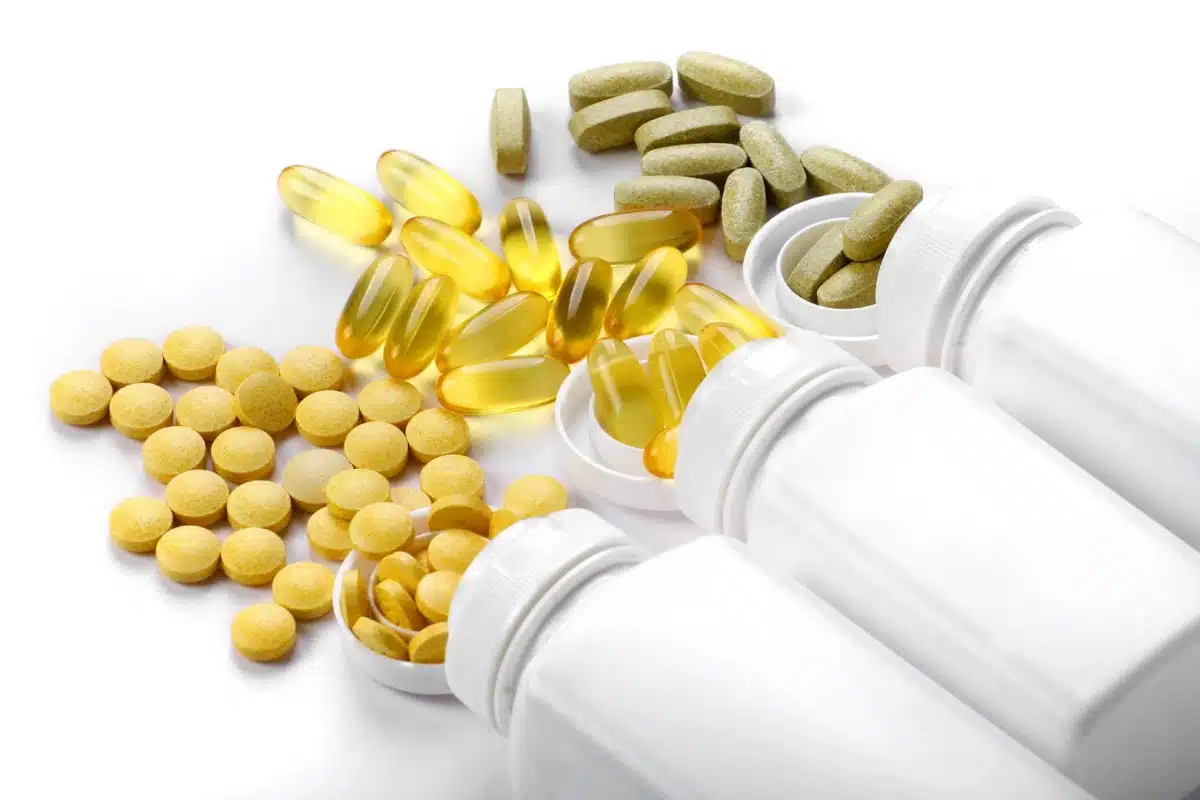
Appetite suppressants are everywhere—online stores, pharmacies, social media, weight-loss programs, and wellness blogs. Some are famous, some are infamous, and others sit quietly on the shelf waiting to be rediscovered. Yet despite the overwhelming number of products that claim to control hunger, only a fraction have strong scientific backing.
This article takes you through the world of appetite suppressants in an engaging, story-like way, ranking the most talked-about options according to research. Some earn their place at the top through decades of clinical trials. Others show small but meaningful benefits. A few have simply ridden waves of hype without much scientific support.
By the end, you will have a clear, research-focused understanding of which appetite suppressants stand on solid ground—and which ones wobble.
GLP-1 Receptor Agonists: The Modern-Day Champions
If appetite suppressants had a global championship, GLP-1 receptor agonists would dominate. These prescription medications—well-known examples include semaglutide and liraglutide—have reshaped the scientific landscape of hunger control.
They mimic a natural hormone released after eating, helping the brain register fullness sooner and for longer periods. They also slow stomach emptying, which means meals linger longer in the digestive tract and keep hunger at bay.
What makes this group stand above the rest is the sheer amount of evidence behind it. Large-scale, multi-year studies repeatedly show that these medications reduce appetite in ways that are both measurable and consistent. People report fewer cravings, smaller portions, and a general shift in how their body experiences hunger.
In the world of appetite research, GLP-1 medications are considered a breakthrough.
Phentermine: The Long-Standing Classic
Phentermine is the well-known, decades-old prescription appetite suppressant that continues to remain relevant. It reduces hunger by increasing levels of certain neurotransmitters connected to alertness and decreased appetite.
Although phentermine’s role today is more limited—primarily short-term use—it is still supported by research showing meaningful appetite reduction. It is one of the most studied traditional appetite suppressants, and its effects on appetite control are consistently described in scientific literature.
Think of it as the classic option that still holds its ground.
Combination Medications: The Two-Ingredient Strategists
Combination medications approach appetite suppression from multiple angles. The best-known include phentermine–topiramate and naltrexone–bupropion. These are not simple blends; they are carefully designed pairings where each ingredient targets a different appetite-related pathway.
Phentermine–topiramate combines the hunger-reducing effects of phentermine with a medication that influences impulse control and cravings. Research shows the duo produces stronger appetite control than either ingredient alone.
Naltrexone–bupropion operates through reward circuits and neurotransmitter pathways that regulate desire for food. Studies support its impact on reducing both hunger and cravings, making it a notable contender in appetite research.
These medications are the “strategy teams,” working on several fronts at once.
Soluble Fiber Supplements: The Slow and Steady Satiety Builders
Fiber does not rely on chemistry or complex hormones. Instead, it uses physics. Soluble fibers—such as glucomannan and psyllium—absorb water, expand in the stomach, and create a natural sense of fullness.
The expansion is not dramatic, but the effect is noticeable. People who take high-viscosity fiber before meals often report eating less without feeling deprived. Research supports this phenomenon: slower digestion, delayed gastric emptying, and earlier satiety.
Soluble fiber may not offer the intensity of prescription options, but it earns respect for being safe, predictable, and surprisingly effective for mild appetite control.
Protein: The Quiet but Powerful Natural Appetite Manager
Protein consistently outperforms fats and carbohydrates when it comes to controlling appetite. This has been demonstrated in countless nutrition studies. When people eat meals higher in protein, levels of satiety hormones such as GLP-1 and PYY increase, while ghrelin—the hunger hormone—often decreases.
This translates to feeling fuller from smaller portions and staying satisfied longer.
Protein’s appetite-suppressing abilities make it a favorite in nutrition science. Whether through whole foods or shakes, protein remains one of the most reliable natural tools for reducing hunger without complexity.
Caffeine and Green Tea Extract: The Light and Temporary Suppressants
Caffeine is widely consumed around the world, and its ability to reduce appetite has been observed in several studies. The effect is not strong or long-lasting, but it is noticeable for some individuals. Caffeine temporarily increases alertness, and with it comes a modest decrease in hunger.
Green tea extract adds another layer due to catechins like EGCG, which complement caffeine’s impact. While neither ingredient is a major appetite suppressant, research indicates they can offer mild support, particularly for short-term appetite reduction.
These fall into the category of gentle helpers.
5-HTP: The Serotonin-Linked Option With Potential
5-HTP supports serotonin production, and serotonin is closely tied to satiety and mood regulation. Preliminary studies show that people taking 5-HTP may feel fuller sooner, especially during carbohydrate-rich meals.
The research is promising but not yet extensive. Most studies are small and short in duration, so while the mechanism makes sense scientifically, larger trials would provide clearer answers.
5-HTP is an interesting candidate that may have a unique place in appetite control, depending on future research.
Garcinia Cambogia: The Supplement That Lost Its Momentum
Garcinia cambogia once captured global attention because of claims that it could reduce appetite and support weight reduction. However, larger and more rigorous studies did not consistently confirm these effects.
While some small studies show minimal appetite reduction, others report no significant changes at all. Overall, the outcomes are too inconsistent for Garcinia cambogia to rank highly based on research.
Its early popularity was more marketing-driven than science-driven.
Hoodia Gordonii: The Trend That Never Delivered
Hoodia was marketed as a powerful natural appetite suppressant, but scientific studies did not support the dramatic claims. Research involving human participants generally shows little meaningful reduction in hunger compared with a placebo.
Because of this lack of support and the absence of strong clinical trials, Hoodia ranks among the least reliable options in appetite science.
It is a reminder that marketing momentum is not the same as evidence.
The Research-Based Summary
The appetite suppressant landscape is broad, but research helps clarify what works and why. Here is the evidence-based picture:
GLP-1 receptor agonists stand at the top with the most significant and consistent appetite-reducing effects.
Phentermine and combination medications show strong, well-established results.
Soluble fiber and protein offer natural, reliable support backed by nutritional science.
Caffeine, green tea extract, and 5-HTP provide mild and situational appetite control.
Heavily marketed herbal supplements like Garcinia and Hoodia lack consistent scientific backing despite their popularity.
Understanding these differences helps readers navigate the crowded world of appetite suppressants with clarity instead of confusion.