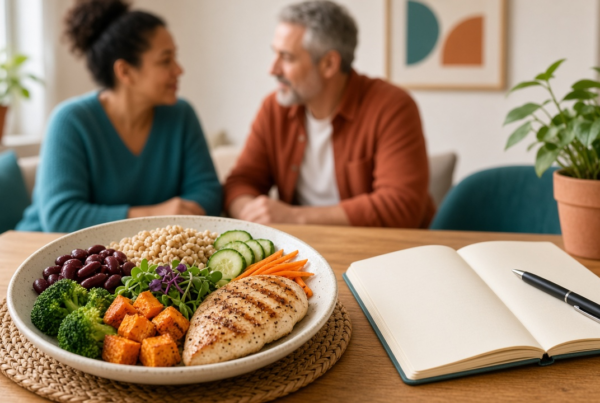

A high-protein grocery list for a GLP-1 can make low-appetite days less frustrating. The goal is not to fill a cart with giant meals or chase a number that may not fit your body. It is to keep a few small, familiar foods nearby so you have options when a full plate feels like too much.
Appetite can change from day to day. You may tolerate yogurt in the morning, a soft egg later, and a small savory meal at night. The next day, one of those foods may not sound good. A flexible list works better than a rigid seven-day menu because it gives you several textures and flavors without asking you to force a meal.
This guide is for general education. If you are using a GLP-1 medication or another medical weight-loss treatment, do not start, stop, or change a dose because of a blog post. Bring persistent nausea, vomiting, trouble drinking, or a sudden change in what you can eat to your care team.
What this grocery list is meant to solve
Low appetite creates a practical problem before it creates a nutrition question: what can you actually eat? A food can look healthy on paper and still feel impossible when you are nauseated, full quickly, tired of sweet flavors, or put off by strong smells. The best first step is to build a cart around foods that are easy to portion and easy to replace.
Think of the list as three layers:
- Small protein anchors: Foods you can eat in a few bites, such as yogurt, cottage cheese, eggs, tofu, or a small portion of fish or poultry.
- Easy companions: Foods that make the anchor more comfortable, such as fruit, crackers, rice, toast, soup, or cooked vegetables.
- Backup choices: Shelf-stable or freezer options for the day when cooking feels like a chore.
You do not need to buy every item. Choose two or three foods from each layer that you already tolerate. If you are unsure what fits your medication, health history, or symptoms, a nutrition counseling visit can turn the list into a plan that makes sense for you.
Refrigerated foods to put in the cart
The refrigerator section is useful because many foods are ready with little preparation. Buy small containers or plan to divide larger packages as soon as you get home. A large package can feel like a commitment on a low-appetite day, while a single serving gives you permission to eat a little and save the rest.
Cool, mild options
- Plain or lightly flavored Greek yogurt
- Cottage cheese or another soft cheese you already tolerate
- Eggs for boiling, scrambling, or adding to toast
- Silken tofu for a soft bowl or blended dish
- Milk or an unsweetened alternative that fits your usual eating pattern
- Small portions of sliced poultry or another ready-to-eat protein
Choose flavors that do not make you dread opening the container. If sweet foods are unappealing, keep savory options nearby. If strong smells are a problem, cold foods may be easier to tolerate than a hot meal. The list should follow your appetite rather than arguing with it.
Shelf-stable foods for a backup shelf
A backup shelf keeps one difficult day from becoming a day with no food choices. Look for items that can be opened in a small portion and stored safely after opening. Check labels for ingredients, sodium, added sugar, and allergens that matter to you, but do not turn a low-appetite day into a label-reading contest.
- Canned tuna, salmon, chicken, or another fish you already enjoy
- Single-serve tuna or salmon pouches
- Beans or lentils that can be rinsed and warmed in a small amount
- Nut or seed butter for toast, oatmeal, or a small smoothie
- Protein drinks or powders you have already discussed with your care team and tolerate well
- Low-sodium soup with beans, lentils, chicken, or another protein source
Keep at least one option that does not require a blender, stove, or recipe. A shelf-stable pouch and crackers may be more realistic at 8 p.m. than a meal plan that needs six ingredients. If canned foods make you thirsty or uncomfortable, choose a different backup. The list is a tool, not a test.
Freezer foods that reduce cooking effort
The freezer can make protein easier to use in small portions. Buy plain foods that can be reheated without turning into a large meal. Portion leftovers before freezing so you can take out one serving instead of thawing everything.
- Frozen edamame or shelled soybeans
- Plain cooked chicken, turkey, fish, or tofu in small portions
- Frozen vegetables that can be cooked until soft
- Small portions of a bean, lentil, or chicken soup
- Egg bites or another simple item you know you tolerate
Label the container with the food and date. If a smell or texture makes the food unappealing later, let it go and choose another option. Food safety matters, but so does having something you can realistically eat.
How to build a small, comfortable plate
Protein does not have to arrive as a large piece of meat at the center of a full dinner. A small plate can combine one protein anchor with a familiar companion and a little moisture or flavor. Try yogurt with soft fruit, an egg with toast, cottage cheese with crackers, tofu with rice, or a small bowl of soup with beans.
Use this simple pattern instead of a strict meal plan:
- Pick one protein anchor. Choose the food that sounds least difficult right now.
- Add one comfortable carbohydrate or fruit. Toast, rice, potatoes, crackers, or a soft fruit can make the bite easier to manage.
- Add moisture or mild flavor. Soup, broth, yogurt, salsa, or a simple sauce can improve texture if you tolerate it.
- Stop at comfortable fullness. Save the rest rather than treating an unfinished plate as a failure.
There is no universal portion that belongs on every low-appetite day. Your care team or registered dietitian can help you decide how to balance protein, fluids, fiber, and other needs. The purpose of this pattern is to give you a starting point when a large meal is not realistic.
Three grocery combinations for a low-appetite week
Shopping is easier when you can picture how two or three items will work together. These are combinations, not prescriptions or a fixed menu.
The cool breakfast or snack combination
Keep yogurt or cottage cheese, a soft fruit, and a small amount of cereal, oats, or crackers. You can eat the protein by itself or add the companion that feels comfortable. This combination is useful when cooking smells are unpleasant or mornings are rushed.
The quick savory combination
Keep eggs, toast, soup, or a small tuna or chicken pouch. Choose one item first and add another only if you want it. A warm egg or a few bites of soup may be easier than a full dinner, especially on a day when appetite arrives in short windows.
The no-cook backup combination
Keep a tolerated protein drink, nut or seed butter, crackers, and a shelf-stable fish or bean option. This group is for the day when you cannot face cooking. If drinks are easier than food for a short period, still tell your care team if that pattern continues or you cannot keep up with fluids.
What to do when nausea makes food difficult
Nausea can make the most carefully planned cart useless. Try smaller bites, cooler foods, plain flavors, and slower eating if those changes feel comfortable. Avoid lying down immediately after eating if that worsens your symptoms. Keep fluids nearby and ask your care team for specific guidance if nausea is persistent.
Do not respond by changing a medication dose on your own. A prescriber may need to review the full picture, including when nausea occurs, what you can drink, bowel changes, other medicines, and the pace of weight change. Severe or repeated vomiting, inability to keep liquids down, faintness, severe abdominal pain, or signs of dehydration require prompt medical guidance.
You can also vary texture. A cold yogurt, a warm broth, a soft egg, and a crisp cracker do not feel the same even if they are all small. Keep a few choices at home so one disliked texture does not remove your only option.
Protein, muscle, and the next conversation
Protein is one part of preserving strength during weight loss, but food is not the only part of that conversation. Your activity, overall intake, health conditions, age, and treatment plan matter too. The muscle-loss guide explains why strength deserves attention, and the strength-training guide covers movement ideas without turning exercise into a punishment.
Do not assume a larger protein target is automatically better. A dietitian or clinician can help you find a practical amount based on your health history and what you can tolerate. If you have kidney disease, digestive problems, food allergies, or another condition that affects eating, ask for individual guidance instead of copying a social-media target.
What not to add to the cart
A useful grocery list is also a short list of things to skip. Avoid buying a large amount of a food you already know makes you feel sick. Do not stock only protein bars and shakes if solid foods are tolerated, because variety can make eating easier. Do not rely on supplements, detox drinks, or unverified powders to solve a sudden change in appetite.
- No dose changes: Food is not a reason to start, stop, or adjust a prescribed medication without the care team.
- No guaranteed food: A food that works for one person may not work for you.
- No giant menu: A short list of realistic choices is better than a refrigerator full of abandoned ingredients.
- No shame: Eating a small amount, saving the rest, or changing the plan is information, not a character judgment.
If you need ideas for a full plate after appetite improves, the what-to-eat guide is the better next read. This page stays focused on the cart and the days when a full plate is hard.
A simple store-day plan
Before shopping, choose two refrigerated foods, two shelf-stable backups, and one freezer option. That is enough for a first trip. Add a fruit, a familiar carbohydrate, and any flavor or texture helpers you already tolerate. You can shop at the store you already use in Texas, and you do not need a special brand or a perfect list.
When you get home, put the easiest options where you can see them. Divide large packages into small containers. Freeze what you will not use soon. Keep the medication and food notes you want to discuss with your care team in one place.
During the week, notice what worked. Did cold foods feel better? Did you prefer savory choices? Did a drink stay down when solid food did not? Those answers help shape your next grocery trip and give a nutrition counselor something specific to discuss.
When a nutrition visit can help
A nutrition visit is useful when you are tired of guessing, appetite stays low, or your grocery list keeps turning into wasted food. The registered dietitian can look at your usual foods, symptoms, treatment plan, health history, and schedule. The goal is a routine you can use in real life, not a list that looks impressive on paper.
Vitality offers in-person and virtual care across Texas. Use the nutritional counseling service page to see how that conversation fits with your goals. If you are ready to ask about the program or a low-appetite food plan, request an appointment and bring the short list of foods you currently tolerate.
Start with a cart you can actually use
The best high-protein grocery list for a low-appetite day is not the longest one. It has a few small, familiar foods, a backup that requires almost no preparation, and enough variety that one bad texture does not end the day’s options. Start with what you tolerate, track what changes, and ask the care team for help when appetite, nausea, or hydration becomes difficult to manage.
Low-appetite grocery questions
These questions can help you decide what to put in the cart and when a food problem needs a conversation with your care team. They are general education, not a personal meal plan.
What should I buy when appetite is low on a GLP-1?
Start with a few small foods you already tolerate, such as yogurt, cottage cheese, eggs, tofu, a small portion of fish or poultry, beans, or a protein drink you have discussed with your care team. Add easy companions such as fruit, toast, rice, crackers, soup, or cooked vegetables. Keep one shelf-stable and one freezer backup for days when cooking feels difficult. A short, flexible list works better than a large menu you cannot face. If nausea or low appetite continues, ask your care team for individual guidance.
How much protein should I eat while losing weight?
There is no single protein target that fits every person losing weight. Your health history, kidney function, activity, age, overall intake, treatment plan, and ability to tolerate food all matter. A registered dietitian or clinician can help set a practical target and show you how to meet it with normal foods. This grocery list is intentionally not a gram prescription. Do not copy a target from a social post or change your medication because one day of eating is difficult.
Are protein shakes okay when solid food feels hard?
A protein drink may be a useful temporary option if you tolerate it and the product fits your care plan, allergies, and usual eating pattern. It should not automatically replace every meal or become the only food you use. Check how your body responds to sweetness, texture, volume, and ingredients. If liquids are the only thing you can keep down, or if nausea and vomiting continue, contact your care team instead of trying to solve the problem with more shakes.
What are easy high-protein foods for a small portion?
Small portions of yogurt, cottage cheese, eggs, tofu, edamame, beans, fish, poultry, or a tolerated protein drink can be easier to manage than a large entrée. Choose two or three options with different textures and flavors so one dislike does not remove all your choices. Soft or cool foods may feel easier on some days, while savory foods work better on others. Keep notes about what you tolerate and discuss repeated problems with a nutrition counselor.
What if nausea makes it hard to eat or drink?
Try small bites, mild or cooler foods, slower eating, and fluids if those changes feel comfortable, but do not change a prescribed dose on your own. Tell your care team when the nausea began, what you can keep down, and whether vomiting, pain, dizziness, or bowel changes are present. Repeated vomiting, inability to keep liquids down, severe abdominal pain, faintness, or signs of dehydration need prompt medical guidance. A nutrition visit can help with food choices, but it does not replace assessment of a medication side effect or urgent symptom.
Does a grocery list replace a meal plan or nutrition visit?
No. A grocery list is a practical starting point for keeping a few usable foods at home. It does not account for your health history, allergies, treatment plan, symptoms, schedule, or changing appetite. A nutrition counselor can turn the foods you tolerate into a fuller plan and help you decide what to do when appetite is low. The list also does not replace medical advice. Bring persistent nausea, vomiting, trouble drinking, or a sudden eating change to the care team.